Author: Abhijith V Prasad

  • LinkedIn Marketing: How does it bring benefits for brands than other social platforms?

    LinkedIn Marketing: How does it bring benefits for brands than other social platforms?

    In a digital era dominated by platforms like Instagram, Facebook, and TikTok, LinkedIn often appears to be the quiet player in the social media landscape. While other platforms thrive on entertainment, visuals, and mass appeal, LinkedIn serves a more focused and strategic purpose, especially for B2B brands and professionals. It may not offer viral trends or influencer hype on the same scale, but it delivers something far more valuable: authentic professional engagement and trust-based networking.

    LinkedIn is uniquely positioned as a B2B powerhouse, where businesses connect with decision-makers, industry experts, and talent—all in one place. Unlike other platforms that prioritize consumer attention, LinkedIn fosters meaningful connections that drive long-term brand positioning, thought leadership, and credibility. For B2B marketers, it’s a goldmine for lead generation, partnership building, and professional storytelling.

    In a crowded digital landscape where brand messages often get lost in noise, LinkedIn provides clarity, precision, and intent. It enables brands to target by industry, role, or company size, making each interaction count. While others fight for fleeting attention, LinkedIn quietly builds lasting influence.

    What is LinkedIn Marketing?

    LinkedIn marketing refers to the use of the LinkedIn platform to promote your brand, build relationships, and grow your business, especially in the B2B (business-to-business) space. Unlike other social media platforms focused on casual content or entertainment, LinkedIn is a professional network designed for business professionals, thought leaders, and industry experts. Through LinkedIn, businesses can create company pages, publish content, run targeted ads, and engage directly with decision-makers, clients, and potential employees.

     Why LinkedIn is Essential for Businesses?

    Building an online presence is crucial for every business. While platforms like Instagram and Facebook cater to mass consumer markets, LinkedIn offers a more focused, high-value space. It’s where CEOs, marketers, HR heads, and business owners come together. For B2B companies, this is a unique opportunity to directly reach professionals who influence purchasing decisions.

    LinkedIn also enhances brand trust and credibility, as users here are more open to professional insights and business content, making it an ideal space for establishing authority and attracting potential partners or clients across the globe.

    Building a Brand & Gaining Professional Attention

    LinkedIn is not just about marketing products—it’s about positioning your brand as a thought leader. Consistent content sharing, industry commentary, and valuable insights help create a professional voice for your business. Whether you’re a startup, freelancer, or large company, building your brand on LinkedIn increases visibility among industry peers and professionals.

    Moreover, having an active and optimized LinkedIn page helps build global credibility, making your brand visible to potential clients and collaborators in international markets. This is especially important for startups and SMEs looking to scale beyond local boundaries.

     Importance of a Strong Content Strategy on LinkedIn

    Starting a LinkedIn account is just the first step. What truly drives success is a well-defined content strategy. Unlike platforms where trends dominate, LinkedIn rewards consistency, value, and expertise. Sharing insights, company updates, employee stories, and industry trends not only engages your audience but also builds authority and trust over time.

    By using the right mix of personal branding, company updates, and engaging media like polls, carousels, or videos, your brand stands out in a feed full of noise. With time, this helps convert connections into leads and followers into loyal advocates.  

    Why LinkedIn Ads Punch Above Their Weight

    Let’s be honest, when you think of ads, your mind probably jumps to Instagram stories or Facebook carousels. But LinkedIn? That’s the boardroom, not the billboard, right?

    Wrong.

    LinkedIn Ads don’t shout, they whisper to the right people, at the right time, with the right credentials. They might not “go viral,” but they become valuable. When your ad lands in the feed of a C-level executive, a decision-maker, or someone with a corporate credit card—that’s not noise. That’s strategy.

    It’s not about clicks. It’s about conversations that convert.

     How LinkedIn Ads Actually Work

    LinkedIn Ads operate on a model similar to most paid digital campaigns: you set a budget, define your audience, craft a message, and launch.

    But here’s the magic: the targeting options are laser-sharp. You can filter your audience by:

    • Job title
    • Industry
    • Company size
    • Years of experience
    • Skills
    • Seniority level

    Imagine pitching your enterprise solution only to CTOs in the tech industry with over 10 years of experience. That’s precision marketing. No wasted impressions. No “spray and pray.”

     Is It Like Meta Ads?

    In structure—yes. In soul, not.

    Meta (Facebook, Instagram) is like a party. Loud, crowded, everyone’s dancing. You can hand out flyers (ads), but you’re not sure who’s picking them up.

    LinkedIn is more like a business lounge. People are already in the mindset to learn, connect, invest, or act. Ads here aren’t interruptions—they’re solutions waiting to be discovered.

    The mindset of the user is what changes the game. People scroll Instagram to escape. They scroll LinkedIn to evolve.

    Is It Productive? You Bet.

    LinkedIn Ads are more expensive per click compared to Meta. But the quality of those clicks? Way higher. When your $10 CPC gets you a lead who books a meeting worth $10,000, that’s not an expense—it’s an investment.

    B2B marketers report that LinkedIn delivers up to 80% of their social media leads. That’s not hype—it’s hard ROI.

    LinkedIn Ads don’t aim for fame. They aim for influence, access, and trust. In a world full of noise, sometimes the most powerful move is a well-placed whisper in the right ear. And LinkedIn knows exactly whose ear that should be.

  • How does UI /UX impact your business growth?

    How does UI /UX impact your business growth?

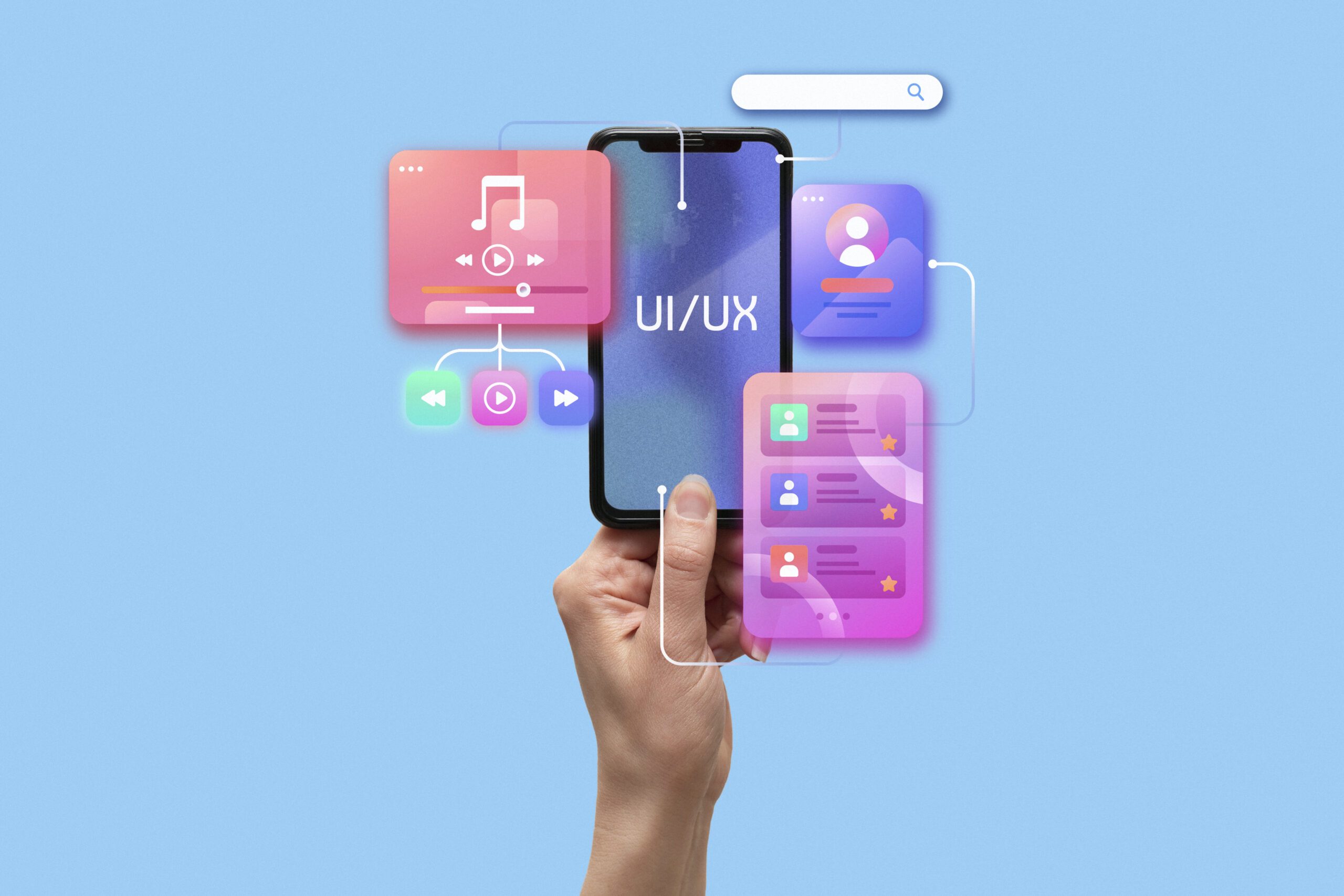
    It always matters that the first impression is in the online realm, and that’s where UI and UX come in. UI stands for User Interface, while UX means User Experience. They shape how we interact with websites, mobile apps, and digital products daily.

    UI is all about the visual elements: the buttons you click, the colors you see, the layout you navigate. It’s like the skin of a digital product—designed to look good, feel intuitive, and guide your actions. UX, on the other hand, dives deeper. It’s the overall experience a user has, from the moment they land on a page to how smoothly they achieve their goal. In poetic words, its communication with the audience and  Good UX means the product is useful, usable, and enjoyable.

    Imagine using a food delivery app. A clean layout, readable fonts, and clear icons are part of the UI. But how easily you search for food, place an order, or get help if there’s an issue, that’s UX at work.

    UI/UX isn’t just about design; it’s about making digital life easier, more engaging, and more human. Whether you’re a designer, developer, or just curious, understanding UI/UX is the first step to creating better, smarter experiences online.

    Do First Impressions Matter? 

    When users land on your website or app, they judge it in seconds. A clean, attractive, and well-organized UI instantly signals professionalism and credibility. On the flip side, a cluttered or confusing interface can cause frustration and lead users to leave, even if your product or service is great. This first impression influences whether users will explore more or bounce away. A great UI builds curiosity, invites interaction, and makes users feel comfortable. In today’s fast-paced digital environment, businesses must ensure their interface creates a positive emotional impact right from the start to convert visitors into loyal customers.

    What’s the Psychology of Users?

    Good UI/UX design taps into basic human psychology. People are drawn to visual harmony, consistency, and ease. When the layout flows logically and tasks feel effortless, users feel in control and satisfied. This emotional comfort builds brand connection. Colors, shapes, and even micro-interactions (like animations or sound feedback) influence how people perceive your brand. Poor design can make users feel overwhelmed or distrustful. UX designers study behavior patterns, cognitive load, and emotional triggers to create experiences that reduce frustration and increase joy. Understanding users’ psychology helps businesses connect with customers on a deeper, more meaningful level.

    What Makes a Bad UI/UX?

    A bad UI/UX design often lacks clarity, consistency, and user-centric thinking. Slow loading times, hard-to-read fonts, hidden menus, or too many steps to complete an action frustrate users. Another red flag is poor mobile responsiveness. If users can’t navigate your site easily on their phones, they’ll leave fast. Ignoring user feedback, overcomplicating interfaces, or failing to guide users through a journey are common mistakes. Bad UX isn’t just annoying—it sends the message that you don’t care about your audience. These missteps lead to loss of trust, low engagement, and ultimately, a drop in conversions and revenue.

    Do UI/UX increase Bounce Rate? 

    Bounce rate refers to how quickly users leave your site after landing on it. A high bounce rate is often a red flag for poor UI/UX. If visitors can’t find what they’re looking for, face slow loading times, or encounter a confusing layout, they’ll exit, usually without returning. Similarly, cart abandonment in e-commerce often stems from complex checkout processes or hidden costs. Businesses spend time and money attracting users, but without good UX, that investment goes to waste. Reducing bounce rates through thoughtful, intuitive design leads to longer sessions, better engagement, and a higher chance of conversions and sales.

    What makes Trust?

    Trust is the foundation of customer loyalty, and good UI/UX builds that trust visually and functionally. A consistent design—using the same colors, fonts, tone, and layout patterns—makes your brand feel reliable and professional. Clear navigation, visible contact options, secure payment gateways, and user-friendly policies reinforce credibility. Even small things, like error messages or loading animations, contribute to how “cared for” users feel. When people trust a website or app, they’re more likely to buy, share, or return. Great UX feels like a helpful guide; bad UX feels like being lost in an unfamiliar place. Consistency earns confidence.

    Is UI/UX and SEO is powerful duo?

    Search engines don’t just rank based on keywords—they also look at user behavior. If visitors quickly bounce from your site, Google takes it as a sign of poor quality. That’s where UI/UX plays a big role. A fast-loading, mobile-optimized, and easy-to-navigate site keeps users engaged, boosting dwell time and lowering bounce rates—both positive SEO signals. Clear structure, proper use of headings, and readable content also help search bots crawl your site better. In short, good UI/UX helps users and algorithms alike. When paired with solid SEO practices, your business climbs search rankings and attracts more organic traffic.

    Do UI/UX Drive Business Growth?

    High ROI, increased conversions, better customer retention, and stronger brand loyalty—all stem from great UI/UX. When users find your digital platform intuitive and enjoyable, they’re more likely to complete actions, whether it’s signing up, buying, or referring others. Businesses like Airbnb and Amazon have soared partly due to their relentless focus on user experience. In competitive markets, where dozens offer similar products, great UI/UX becomes a key differentiator. It turns passive visitors into active customers and drives sustainable, long-term business growth by placing users at the heart of every design.

    Best UI/UX will win the business

    The businesses that win are the ones that truly understand their users. A seamless UI and thoughtful UX don’t just make a website look good; they create trust, reduce bounce rate, and turn first-time visitors into loyal customers. While products and prices can be similar, the experience sets a brand apart. The best UI/UX designs are invisible; they simply feel right. They guide users with ease, delight them with simplicity, and meet their needs without confusion. Ultimately, the brands that win the hearts of users through smart, human-centered design are the ones that will win the business.

  • CRO is the crucial backbone of a digital marketing strategy

    CRO is the crucial backbone of a digital marketing strategy

    CRO (Conversion Rate Optimization) is a crucial backbone of a digital marketing strategy, as it helps the business to have more conversions from website visitors. But it’s not that piece of cake, notably it’s essential to have the best website with a perfect user experience, understanding the audience, and optimizing the content. Remarkably, by increasing the Pay Per Click amount. But before getting to know about the Conversion rate optimization, understand the tactics used to attain it.

    What is Conversion?

    In the digital marketing world, a conversion happens when a website visitor completes a desired action that benefits your business. It could be as simple as clicking a link, signing up for a newsletter, filling out a form, downloading an eBook, or as significant as making a purchase. In short, a conversion turns a casual visitor into a valuable customer or lead.Let’s say you run an online store. Every time someone buys a product, that’s a conversion. If you offer services and someone submits an inquiry form, that’s a conversion, too. It’s not always about sales—conversions are any action that brings a visitor one step closer to becoming a paying customer.

    Why is this important?

    Imagine you get 1,000 visitors to your website, but only 10 people make a purchase. That’s a 1% conversion rate. Your goal with Conversion Rate Optimization (CRO) is to increase that percentage without spending more on ads or traffic.

    Conversions depend heavily on user experience, website design, content relevance, loading speed, and clear calls-to-action. If your site confuses users or loads slowly, you’re likely losing potential conversions. That’s why businesses must focus on understanding their audience—what they want, what they struggle with, and how to serve them better.

    It’s also essential to differentiate between macro conversions (big goals like purchases) and micro conversions (small steps like signing up or clicking a button). Both matter and contribute to the bigger picture.In essence, conversion is the moment a visitor says “yes” to what your site offers. It’s not magic—it’s the result of intentional design, clear messaging, and continuous improvement. Understanding conversions is the first step toward mastering digital success.

    8 Simple and Effective CRO Tactics for Better Website Conversions

    Getting people to visit your website is just the first step. What really matters is turning those visitors into customers, leads, or subscribers. That’s where Conversion Rate Optimization (CRO) comes in. CRO means improving your website in ways that help more people take action—whether it’s buying a product, signing up for a newsletter, or filling out a form. Below are eight simple but powerful tactics that can help any business, even if you’re new to digital marketing.

    1. Optimize the User Experience (UX)

     A smooth and easy-to-use website is key to getting people to stay and convert. If your website is slow, messy, or hard to use, visitors will leave before doing anything. Make sure the pages load quickly, the site works well on mobile phones, and the layout is clean. A clear menu, simple forms, and well-placed buttons can guide users in the right direction. When visitors enjoy using your site, they’re more likely to take the action you want.

    2. Optimize Your Messaging

    What you say on your website matters just as much as how it looks. Use simple, clear words that explain the value of your product or service. Don’t try to sound fancy—focus on how you can help solve the visitor’s problem. Use strong headlines, clear benefits, and friendly calls-to-action like “Get Started” or “Try for Free.” Speak in a way that feels real and personal. The right message can turn interest into action.

    3. Use Buyer Personas to Understand Your Customers

     A buyer persona is a simple profile of your ideal customer. Think about their age, job, problems, and what they want. When you understand who you’re talking to, it’s easier to create content and offers that match their needs. Instead of trying to please everyone, focus on your most likely buyers. Tailoring your website to fit their expectations will make them feel understood and more likely to trust your business.

    4. Optimize Based on Hard Data

    Don’t guess what’s working—use data. Free tools like Google Analytics or Hotjar can show you where people click, how long they stay, and where they leave. You can see which pages work well and which ones need fixing. This helps you make smart changes instead of guessing. Numbers and patterns tell the real story of how users behave, and that can guide you to better results.

    5. Use SMART Goals for CRO

    Setting clear goals helps keep your CRO strategy on track. SMART stands for Specific, Measurable, Achievable, Relevant, and Time-bound. For example, instead of saying “increase sales,” try “increase product purchases by 10% in 60 days.” When you set specific goals, it’s easier to measure your progress and see what’s working. This also helps you focus your efforts and stay organized.

    6. Test Your CRO Strategies

    Don’t assume one version of your page is the best—test it. Try changing one thing at a time, like a headline or button color, and see which version performs better. This is called A/B testing. Over time, these small improvements can make a big difference. Testing helps you learn what your audience likes and fine-tune your website for better results.

    7. Conduct Competitor Research

    Look at what your competitors are doing on their websites. What are they offering? How are their pages designed? What kind of content do they use? You can learn a lot by seeing what works for others. You don’t have to copy them—just take notes and find ways to improve your site. Staying aware of industry trends keeps your website fresh and competitive.

    8. Conduct User Research

    Sometimes the best way to improve is to ask real people what they think. Use surveys, ask for feedback, or watch how users interact with your website. This gives you honest insights into what’s working and what’s confusing. When people feel heard, they’re more likely to stay loyal. Real feedback helps you make changes that matter to your users.

    Conversion Rate Optimization is the most effective calibration for a brand to get optimized results. Significantly, the best business reputation companies are giving much importance to CRO. The renowned IPCS Technologies is excelling in the realm of CRO for better results in business. Predominantly, the businesses giving much importance to CRO are rapidly increasing sales and can get maximum audience attention consistently and effectively. Integration of CRO will tremendously affect the brand awareness and genuineness of the business.

  • Why SEO Is Important for Growing Your Business in 2025

    Why SEO Is Important for Growing Your Business in 2025

    In today’s digital age, businesses need to be easily found online to succeed. SEO (Search Engine Optimization) is the key to ensuring your website ranks well on search engines like Google. In 2025, SEO is more important than ever for driving traffic, increasing visibility, and growing your business.

    What is SEO and Why Should You Care?

    Search Engine Optimization is the process of improving your website’s visibility in search engine results pages (SERPs). By optimizing your website, you can increase your chances of showing up when potential customers search for products or services like yours.

    In simple terms, Search Engine Optimization helps you get more people to visit your website by ensuring it appears on Google’s first page for relevant search terms. The higher your website ranks, the more traffic you’ll receive, leading to more opportunities to convert visitors into customers.

    How Does SEO Help Your Business Grow?

    SEO is critical for business growth because it helps you reach a wider audience, build trust, and improve your chances of making sales. Here’s how Search Engine Optimization directly impacts business growth:

    1. SEO Drives More Traffic to Your Website

    The more visible your website is on Google, the more likely people will visit your site. As more people discover your business through search engines, you’ll see an increase in website traffic. More visitors mean more potential customers.

    2. SEO Builds Trust and Credibility

    When your website ranks high on search engines, people trust it more. They believe that businesses on the first page are credible and authoritative. Trust leads to increased conversions, helping you grow your customer base.

    3. SEO Provides Long-Term Benefits

    Unlike paid ads, Search Engine Optimization is a long-term investment. Once your website starts ranking well, it can continue to bring in traffic for months or even years without additional costs. SEO gives you sustainable growth rather than short-term spikes.

    When Should You Start SEO for Your Business?

    Search engine optimization

    The best time to start SEO is right now!
    Search Engine Optimization is a long-term process that can take time to show results. The earlier you begin, the sooner you’ll see the benefits. Businesses that wait too long may miss out on opportunities to rank higher than their competitors.

    Whether you’re just starting a business or looking to improve your current website, the sooner you focus on SEO, the better. If you’re planning to grow in 2025 and beyond, starting now is key to getting ahead of the competition.

    Where Does SEO Fit Into Your Overall Marketing Strategy?

    SEO isn’t an isolated task — it should be part of your overall marketing plan. When combined with other digital marketing strategies like social media, content marketing, and email campaigns, Search Engine Optimization can produce even greater results. Here’s how SEO works with other strategies:

    • Content Marketing: SEO and content go hand in hand. By creating high-quality, SEO-optimized content, you can attract more visitors and keep them on your website longer.
    • Social Media Marketing: Sharing content on social media can help drive traffic to your site, which in turn boosts your SEO rankings.
    • Email Marketing: An email list is a great way to keep customers engaged, and with SEO, your website can be more discoverable for both email subscribers and new users.

    How Can You Start Implementing SEO Today?

    Starting Search Engine Optimization may seem overwhelming, but you can take small steps to begin improving your website’s performance. Here are some key actions you can take:

    1. Focus on Quality Content

    Google rewards websites that provide helpful, relevant, and original content. Start by creating blog posts, product descriptions, or landing pages that offer value to your audience.

    2. Optimize for Mobile Devices

    In 2025, most people browse websites on their phones. Make sure your website is mobile-friendly and provides a smooth user experience for mobile visitors.

    3. Speed Up Your Website

    Website speed is a key ranking factor for Search Engine Optimization. A fast-loading site not only improves user experience but also helps your website rank higher in search results.

    4. Use Relevant Keywords

    Keywords are the terms people type into search engines. Research and use keywords that your target audience is searching for, but don’t overstuff your content. Use keywords naturally and strategically.

    What Are the Future SEO Trends to Watch in 2025?

    The world of SEO is constantly evolving. To stay competitive, businesses need to keep an eye on the latest trends. Here are a few Search Engine Optimization trends to expect in 2025:

    1. Voice Search Optimization

    With the rise of smart speakers and voice assistants like Alexa and Siri, optimizing for voice search will become even more important. People use natural language when speaking, so it’s important to target long-tail keywords and conversational phrases.

    2. AI-Powered Search Results

    Artificial Intelligence (AI) is already impacting search engine results. In 2025, search engines will continue to refine AI-driven algorithms to provide even more personalized search results. Businesses will need to adapt their SEO strategies to stay relevant.

    3. Video Content for SEO

    Video content is growing in popularity and can play a big role in Search Engine Optimization. Google often displays video results for certain queries, so businesses should consider creating SEO-optimized video content to improve visibility.

    Search Engine Optimization is no longer optional for businesses that want to grow online. In 2025, SEO will continue to be one of the most effective ways to increase visibility, build trust, and drive traffic to your website. Whether you’re starting fresh or working to improve your existing SEO, taking action now is key to staying ahead of your competition and achieving long-term success.

  • Top Advantages and Disadvantages of Social Media in 2025

    Top Advantages and Disadvantages of Social Media in 2025

    Social media has become an inseparable part of daily life for billions across the globe. From casual conversations to shaping global trends, its influence continues to expand. Over the past decade, platforms like Instagram, LinkedIn, and X (formerly Twitter) have evolved into powerful tools for communication, creativity, business, and learning.

    In 2025, we see social media reaching new heights with smart algorithms, tighter content regulation, and immersive experiences that blur the line between virtual and real. But with great power comes the need to understand both its benefits and pitfalls.

    This blog explores the dual nature of social media—its widespread uses, deep industry impact, and the top pros and cons shaping our digital lives today.

    Uses of Social Media for Business, Branding and Personal Branding

    Social media has become a critical engine for brand growth, business visibility, and personal branding in 2025.

    Business Promotion

    Companies now use reels, short videos, and interactive content to reach wider audiences with minimal investment.

    Brand Building

    Brands create emotional connections with users through storytelling, live streams, and influencer collaborations.

    Personal Branding

    Professionals showcase their skills, achievements, and thoughts, building trust and credibility within their industries.

    Massive Impact Across Sectors

    From startups to global enterprises, social media presence defines brand perception, customer interaction, and market relevance.

    Impact of Social Media Across Industries

    The reach of social media goes far beyond selfies and memes—it’s shaping the way industries operate.

    Media & Entertainment

    Social media is now the first source of entertainment for many, with creators producing viral content faster than traditional outlets.

    Retail

    Shoppable posts and real-time customer reviews make social media a dynamic retail space where users discover and purchase products instantly.

    Tourism

    Travel influencers and local guides use social media to promote destinations, giving real-time glimpses into new cultures and hidden gems.

    Education

    Educators and institutions use platforms to deliver micro-learning, virtual classes, and academic networking opportunities.

    Policymaking

    Governments and organizations use social channels to gather feedback, promote initiatives, and counter misinformation effectively.

    Pros and Cons of Social Media

    Social media is a double-edged sword. While it opens doors to innovation, expression, and opportunities, it also presents serious challenges around well-being, privacy, and truth.

    Top Advantages and Disadvantages of Social Media

    Top 10 Advantages of Social Media

    1. Staying Connected

    People stay in touch with loved ones regardless of distance, thanks to instant messaging and video calls.

    2. Access to News and Current Events

    Breaking news reaches users in real time, making it easier to stay informed on global and local events.

    3. Platform for Personal Branding

    Professionals can build an online presence that reflects their values, skills, and industry contributions.

    4. Business and Marketing Opportunity

    Startups and small businesses leverage affordable advertising to reach target audiences and grow sustainably.

    5. Convenience and Ease of Access

    Mobile-friendly platforms ensure that users can engage anytime, anywhere.

    6. Fosters Innovation and Learning

    Social platforms host discussions, tutorials, and expert advice that nurture curiosity and knowledge sharing.

    7. Provides Entertainment

    Short videos, music challenges, and meme culture keep users entertained throughout the day.

    8. Platform for Societal Change

    Awareness campaigns and activist movements gain traction quickly, encouraging participation in social causes.

    9. Promotes Skill Development

    Users pick up new skills—ranging from public speaking to digital art—through content and community support.

    10. Supplement to Education

    Educators and learners use social media to share notes, tips, and collaborative projects outside the classroom.

    Top 10 Disadvantages of Social Media

    1. Distraction and Loss of Productivity

    Excessive usage leads to procrastination, especially among students and professionals.

    2. Spread of Misinformation

    False news spreads quickly, misleading users and affecting public opinion.

    3. Compromised Privacy and Data Vulnerabilities

    User data is often shared or breached, raising serious concerns about digital safety.

    4. Promotes Superficial Connections

    Online interactions sometimes lack emotional depth, impacting real-life social skills.

    5. Social Media Addiction

    Dopamine-driven design keeps users glued to screens, often leading to unhealthy screen habits.

    6. Enables Bullying and Harassment

    Trolls and anonymous users misuse platforms to target individuals, affecting mental health.

    7. Promotes Social Isolation

    Ironically, constant virtual interaction can reduce face-to-face communication and deepen loneliness.

    8. Causes Depression and Anxiety

    Comparison culture, likes, and comments can lead to stress, self-doubt, and mental health struggles.

    9. Promotes Obsessive Self-Presentation

    Users feel pressured to portray ideal lives, which may not reflect reality.

    10. Helps Spread Scams and Frauds

    Fake giveaways, phishing links, and misleading ads are still common traps in the online space.

    Expert Social Media Management and Digital Marketing Strategies

    In 2025, social media continues to transform how we communicate, learn, and grow. While its benefits are undeniable, the drawbacks are equally significant. Mindful usage, critical thinking, and responsible sharing are essential to navigate this space safely and effectively.

    Whether you’re an individual seeking visibility or a business aiming to grow, strategic and ethical use of social media can bring long-term value.

  • What is Digital Marketing and Why It Matters in 2025

    What is Digital Marketing and Why It Matters in 2025

    In today’s fast-paced, internet-driven world, digital marketing has become a crucial tool for businesses of all sizes. Whether you run a small local shop or a global brand, reaching your audience online is no longer optional – it’s essential.

    What is Digital Marketing?

    Digital marketing refers to the use of online channels and digital technologies to promote products or services. This includes strategies like:

    • Search Engine Optimization (SEO)
    • Social Media Marketing (SMM)
    • Content Marketing
    • Email Marketing
    • Pay-Per-Click Advertising (PPC)
    • Affiliate Marketing

    Unlike traditional marketing methods such as TV, radio, or print ads, digital marketing allows businesses to connect directly with potential customers where they spend most of their time — online.

    Why is Digital Marketing Important?

    Reach a Wider Audience

    With over 5 billion internet users worldwide, digital marketing helps businesses connect with a larger and more targeted audience than traditional methods ever could.

    Cost-Effective

    Digital campaigns can be tailored to fit any budget. From free tools like social media to low-cost email marketing, businesses can grow online without breaking the bank.

    Measurable Results

    One of the biggest advantages of digital marketing is data tracking. You can see how many people clicked your ad, visited your website, or made a purchase — in real-time.

    Better Engagement

    Social media platforms and email newsletters allow businesses to build direct relationships with customers, boosting engagement, trust, and brand loyalty.

    How Digital Marketing Helps Your Business

    Whether you’re launching a new product or trying to increase local foot traffic, digital marketing can help you achieve your goals. Here’s how

    Boost Online Visibility

    Search engines like Google are often the first place people go when looking for a product or service. Through effective SEO, your business can rank higher in search results and attract organic traffic.

    Drive Targeted Traffic

    With tools like Google Ads or Facebook Ads, you can reach your ideal customers based on location, interests, age, behavior, and more — ensuring your message reaches the right people at the right time.

    Build Credibility and Trust

    A well-maintained website, active social media presence, and valuable content show your audience that you’re a credible brand. According to Google’s E-E-A-T guidelines, experience, expertise, authoritativeness, and trustworthiness are key to building online success.

    In 2025, digital marketing isn’t just a trend — it’s the foundation of successful modern business. It helps brands grow their presence, connect with customers, and compete in an increasingly digital world. Whether you’re new to marketing or looking to improve your strategy, embracing digital tools can take your business to the next level.